Often, women get emotional one or two days before their period. You might want to cry your heart out for no particular reason. And on top of that, if something triggers you, there's no turning off the irritation tap.
Feeling all of these strong emotions is part of the menstrual cycle. Women go through a roller coaster of hormone changes throughout the cycle, so the emotional and mental changes are as real as the physical pain. Don't let anyone tell you that you are overreacting.
In this article, let's understand how women's mental health is related to the menstruation cycle and try to understand why you feel those strong emotions.
Understanding the emotional cycle
Let's divide the menstrual cycle into two phases to understand the changes better. The first phase is from your period to the ovulation. This is typically 14 days. The second phase is from ovulation to the beginning of your next period.
During the first phase of your cycle, estrogen and progesterone levels are very low. In the second phase, both these hormone levels go up. This is directly associated with your behavior during these phases. How? Let's understand.
During the first phase of your periods, estrogen levels drop, making you feel disorganized, sad, low self-esteem, and depression. It's not as bad as it sounds, but you know how it can get.
A similar thing happens with progesterone. It acts as a calming counterpart to estrogen. It can help regulate mood swings and anxiety. When progesterone levels drop right before menstruation, it can contribute to Pre-Menstrual Syndrome (PMS) symptoms like irritability, mood swings, and depression.
So, in the first part of the cycle, when these hormones are low, you experience intense emotions like sadness and anger. In the second part, these hormone levels increase, leading to a better mood and mental wellness.
Here's a secret - there are ways to manage women's mental health amidst all these changes. Let's see how.
Strategies for mental wellness
Here are a few ways through which women can effectively manage their mental health.
· Awareness about your cycle
Know exactly when your periods start, when you will ovulate, when you should expect downtimes, etc. If you have difficulty remembering dates, use period tracking apps. Once you feel data like the day your period started, these apps predict when you will ovulate and the date of your next period. You can even input your mood for the day, how heavy was your flow, if you have any vaginal discharge, and record the pills that you took each day.
The app collects all this data and analyzes the pattern in women's mental health. It sends an alert a few days before there's a major change in your cycle. This will let you know when your mood swings are likely to get intense.
· Practice mindfulness
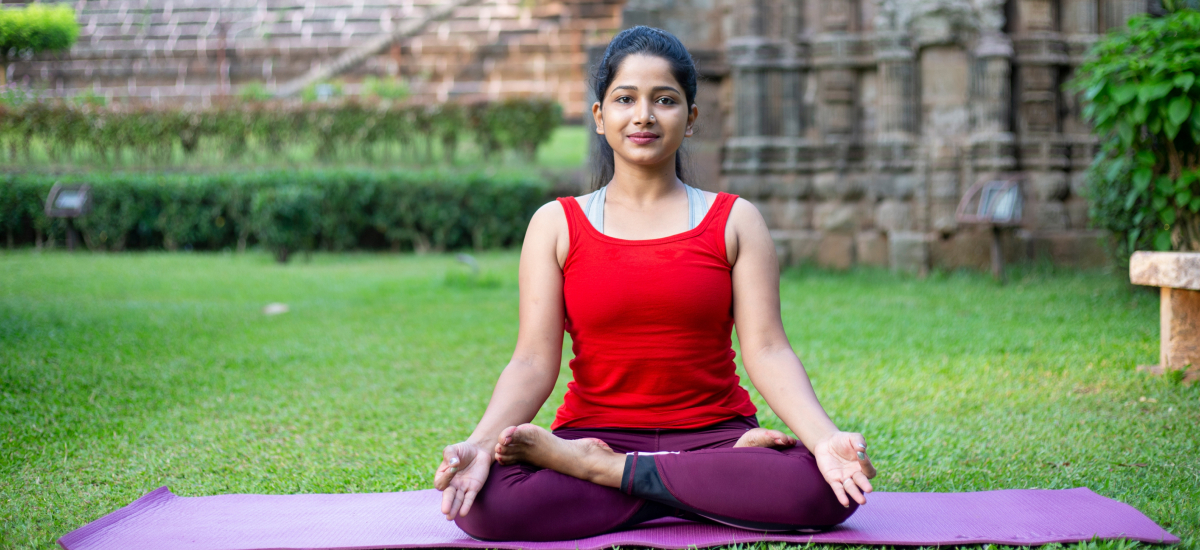
Being mindful during menstruation means tracking what works best to manage emotional signals. Starting meditation a week before your period might help you stay less angry. You can try out different activities like journaling, breathing exercises, walking, yoga, and mild exercises like running, squats, etc.
Tailored self-care for women and mental health
Awareness and mindfulness aside, let's get to the most important changes you can implement. These self-care routines have helped women's mental health for ages.
· Exercise
Here's a list of exercises that can help regulate women's mental health.
· Walking - A quick half-hour walk can raise your heart rate and clear your joints. It doesn't put any pressure on your belly, so you won't need to worry about cramps.
· Yoga - Try poses like balasana, supta baddha konasana, and viparita karani under the guidance of a yoga teacher. When practiced together for 15 minutes a day, they can promote relaxation, improve blood flow, reduce fatigue, and calm the mind.
· Pilates - Pilates focuses on improving core strength and also helps reduce lower back pain, which is a great stressor during periods.
· Swimming - The relaxing feeling of moving underwater is the best thing you can experience to calm the mind. A light session of 30 minutes should do the trick.
· Dancing - Even on a regular day, dancing is bound to lift your spirits. So put on your favorite song and shake those hips.
· Healthy diet
An all-round diet is key to maintaining well-being during menstruation. While you are bleeding, your body can lack iron, vitamin D, or zinc. These deficiencies can impact the regularity of periods, worsen PMS symptoms, or affect fertility.
You need to ensure that you intake a sufficient amount of these nutrients. And for that, you need a balanced diet.
· You can have red meat, shellfish, and green leafy vegetables like spinach and kale for iron.
· For vitamin D, mushrooms, egg yolks, and fatty fish like salmon and mackerel are good.
· For zinc, pumpkin seeds, cashews, almonds, chickpeas, beans, and oysters can do the trick.
Avoid processed foods like chips and biscuits, which contain unhealthy fats, and caffeine-containing drinks that can keep you up at night.
· Sufficient sleep
Sleep is a key factor affecting women's mental health. Get at least 7 hours of good sleep. When sleep is disrupted, estrogen and progesterone hormones can become imbalanced. This can lead to potential mood swings and PMS symptoms, which can affect mental health.
· Put on some ocean sounds while you sleep if that relaxes you
· Make it a habit to put away all electronic devices an hour before you sleep
· Use earplugs and eye masks if you are a light sleeper
When to see a doctor?
If you experience heavy period flow, unbearable cramps, increased panic or anxiety attacks, and dooming depression that won't go away for days or weeks, you must immediately see your doctor. As a thumb rule for women's care, book yearly appointments for regular checkups and take regular pap smear tests to rule out several infections.
You can always ask your health insurance company to book these appointments for you. Speaking of insurance, make sure the policy you choose covers these regular visits and any other OPD visits you might need. This will ensure you don't get financially burdened by sudden medical visits.
Menstruation isn't just a physical process; women's mental health plays a major role in it. You must prioritize mental wellness to deal with hormone fluctuations.
Listen to your body. Start recognizing symptoms and studying your menstrual cycle. Then, you can tell your doctor exactly how you feel to help them suggest proper treatment.
Embrace healthy habits. Practice mindfulness, eat healthy food, get enough sleep, and exercise regularly.
Don't be afraid to seek help. It is totally okay to ask for help if you cannot manage your symptoms. Schedule doctor appointments when necessary, take tests to check for deficiencies, and opt for therapy if your symptoms are too much to handle. If you cannot afford these regular visits, investing in good health insurance is the best solution. Your insurance company will take care of most of the bills, so you can focus on managing your health.