How Insurer-Allowed IDV Range Can Still Lead to Underinsurance?
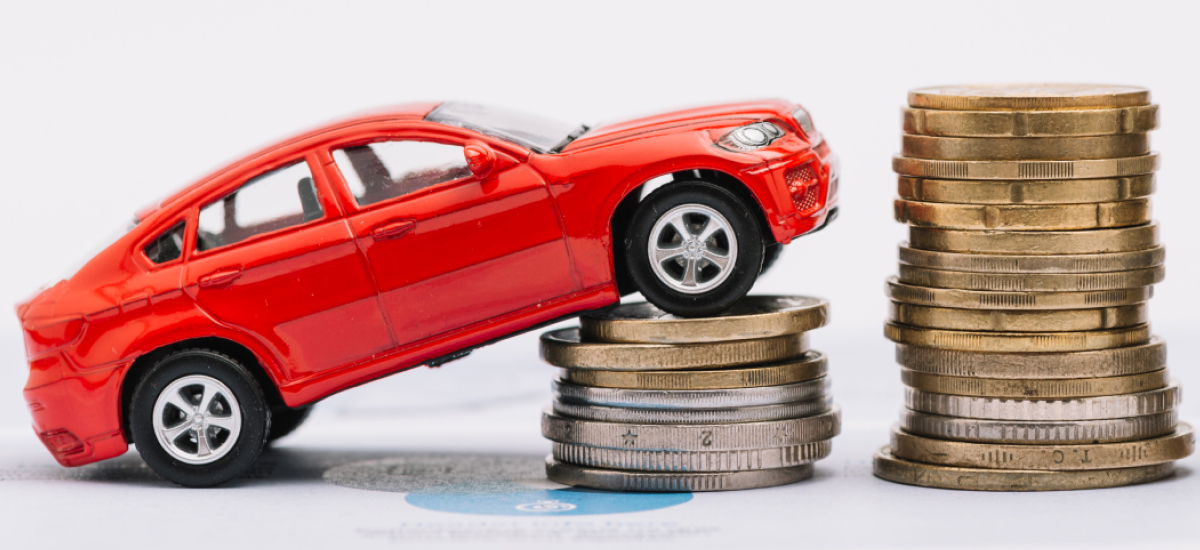
When you buy or renew car insurance online, insurers will provide you with an IDV range for the fixed value. This range is calculated based on ex-showroom price, depreciation schedule, vehicle's age, and internal underwriting guidelines. While the flexibility appears beneficial, choosing the lowest value within the permitted range also increases the risk of being underinsured.
The car insurance company’s allowed range is designed to fit the standard depreciation norms and not the car's actual replacement cost. For example, a well-maintained vehicle with low mileage or added accessories will have a higher market value than the lower end of the insurer’s suggested IDV. When you select the minimum IDV for lowering the premium outgo, the policy will legally cap your maximum payout at that declared amount.
Therefore, in case of theft, the claim settlement will be based strictly on the agreed IDV minus deductibles. The insurer will not reassess the emotional value or market appreciation. It will create a financial gap between the actual cost of replacing the vehicle and the insurance payout. Although the insurers give you the range, selecting the lowest option to save on car insurance premiums can increase the risk of significant financial loss in case of theft.
What to Choose Between High or Low IDV?
If it's your first time buying or renewing car insurance online, it's common to be confused about how to choose IDV. Well, choosing the high and low IDV will have specific trade-offs. While a higher IDV provides a better claim payout in the event of theft, it also comes with higher premium payments.
On the other hand, lower IDV offers a lower premium and reduced payout when filing the claim. As a result, for lower IDV, you will have to bear out-of-the-pocket expenses.
Read More: How to Ensure the Right IDV When Buying Car Insurance for an Old Car
When Should You Reassess IDV to Avoid Theft Claim Loss?
Reassessing the IDV of the vehicle is crucial at specific stages of the vehicle's lifecycle to prevent the risk of underinsurance during a theft claim. It is advisable to review the IDV during policy renewal. Every year, depreciation will reduce the insured value of the car.
You should consider reassessing the IDV if:
1. The car's market value is strong in the market because of the limited availability of high demand.
2. You've added new accessories to the vehicle, which increases the replacement cost.
3. You are in a high-theft area, increasing the chances of a total loss scenario.
The theft claims are strictly settled on the agreed IDV in insurance. The insurers will not re-evaluated real-time market value. It is crucial to review the IDV annually and align it as per the current market value of your car to prevent the risk of overpaying or being underinsured.
How Can IDV Help You in Case of Theft or Loss?
IDV in car insurance can help you in multiple ways in case of theft or loss. In the event of a total loss, IDV benefits will be provided if the repair cost exceeds 75% of the IDV.
In case of theft, file the FIR immediately and submit the claim. If you can't recover the car within 90 days, the insurer will have to settle the claim for IDV minus deductibles.
For total cost, clarify whether deductibles and depreciation are included for non-OEM parts or accessories for motors insurance coverage.
Read More: All You Need to Know About Zero Depreciation Car Insurance
What if one sets a lower IDV?
If you set a lower IDV in insurance, you receive fewer benefits or compensation if your car is stolen. You must understand the repercussions to ensure that your vehicle isn't underinsured.
In case of lower IDV, will there be any impact on third-party insurance?
When you buy third-party car insurance online, know that there's no impact on IDV. The third party, as mandated by the Motor Vehicles Act of 1988, will cover damage to a third party person or property, not your vehicle.
Expert Note
This information is based on standard motor insurance guidelines issued by the Insurance Regulatory and Development Authority of India (IRDAI) and commonly followed industry practices. Policy coverage and conditions may vary by insurer.


 Share Post