Understanding who is responsible
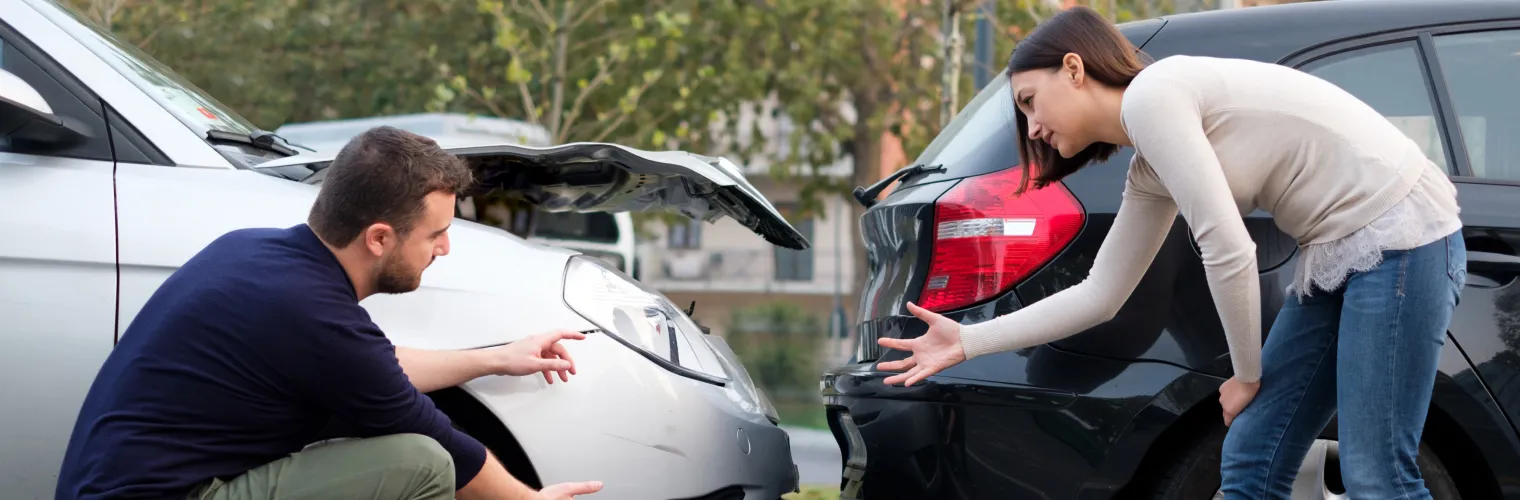
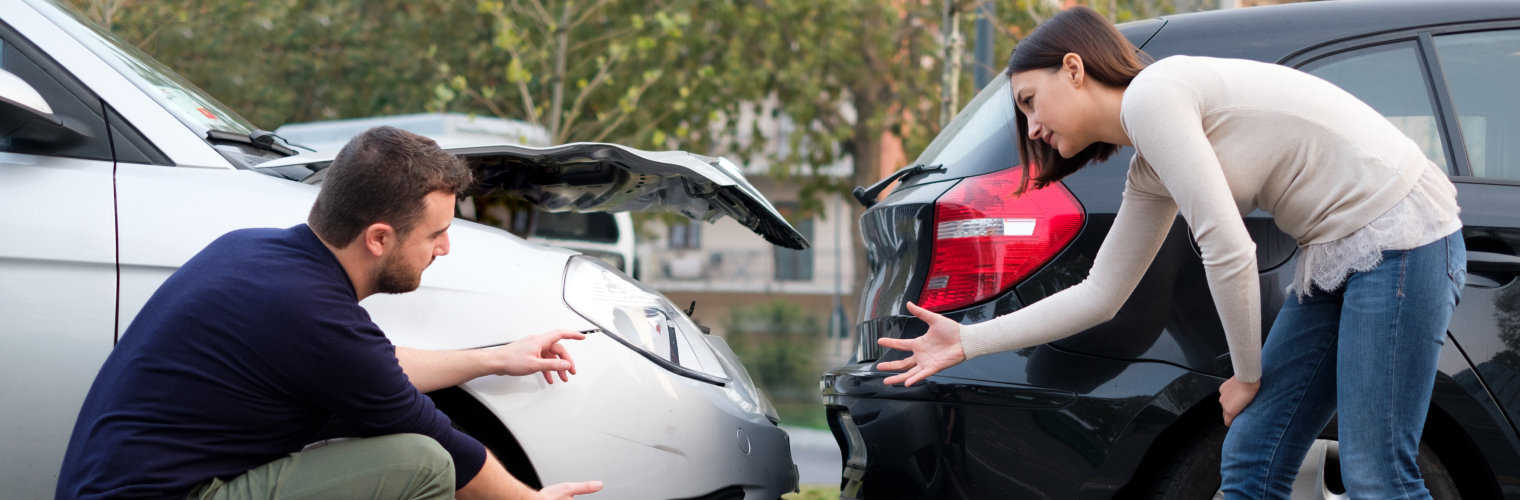
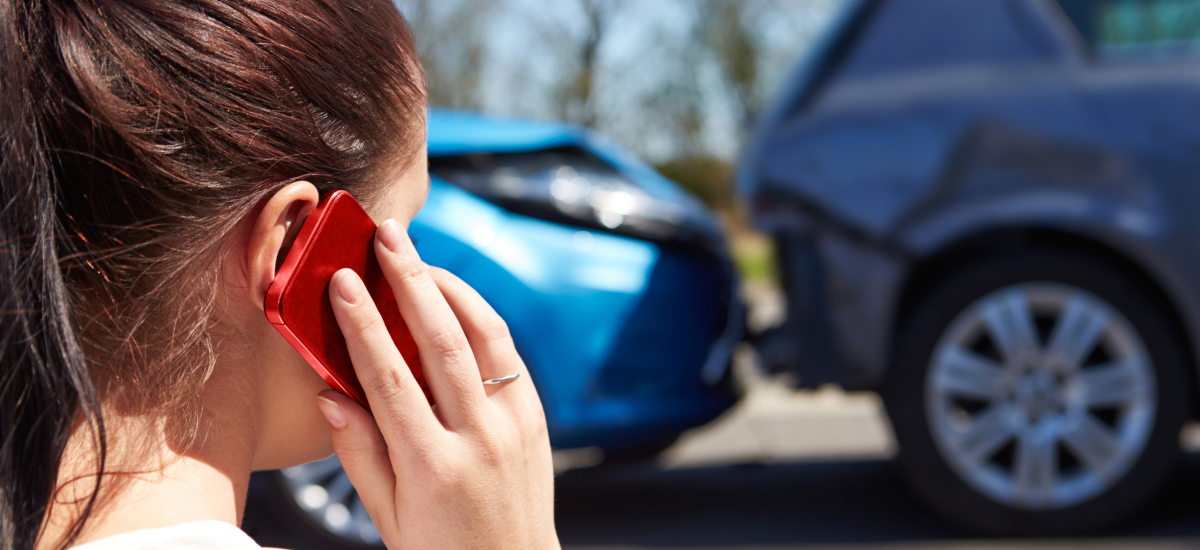
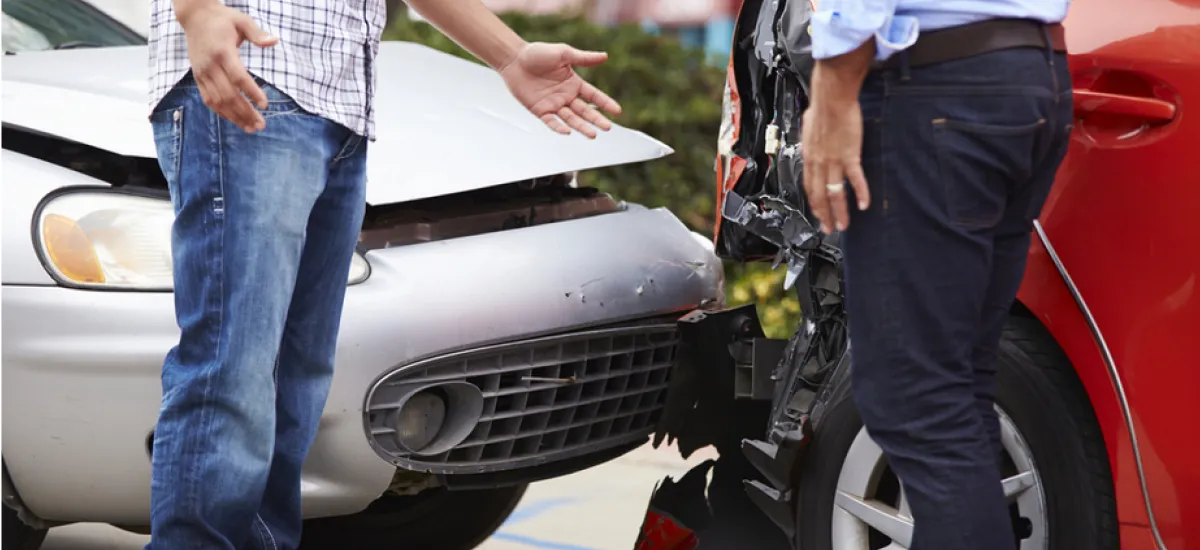
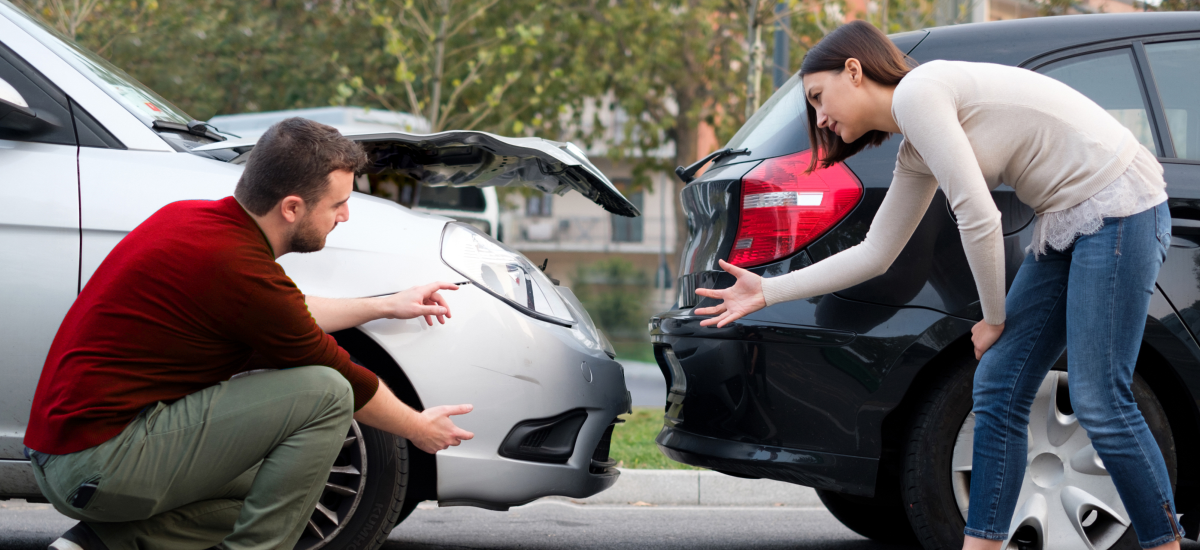
Accidents happen for many reasons, such as speeding or failing to check a blind spot and it’s not always clear who or what was to blame. Yet understanding where responsibility lies is crucial for determining how damages are paid. And this is why having good car insurance is crucial for all drivers. Let’s look at the many scenarios and how to deal with them.
Scenario 1 – If you are at fault
If you are at fault and the other driver agrees, then the process is straightforward. You can either pay for damages yourself, or make a car accident insurance claim, which will cover repairs to both your own car and that of the other driver.
Scenario 2 – If another driver is at fault
You will need to provide as much detail as you can to your insurance company, to prove that you were not at fault. If your insurer and that of the other driver agree, the cost of repairs to your car should be covered by the other driver’s insurer.
Scenario 3 – If no one is at fault
Sometimes an accident can occur that’s clearly out of the driver’s control, such as a sudden illness. Surprisingly, unless you can show that the other driver has a history of medical problems, their insurer can refuse to pay your claim. This means that if you only have third-party insurance, you wouldn’t be able to claim for any damages to your car.
Scenario 4 – If both drivers are at fault
Here the cost of damages are shared between the drivers. But the amount each driver is at fault might not be equal and it’s up to the insurers to decide how to allocate compensation.
Scenario 5 – If your car is damaged by weather
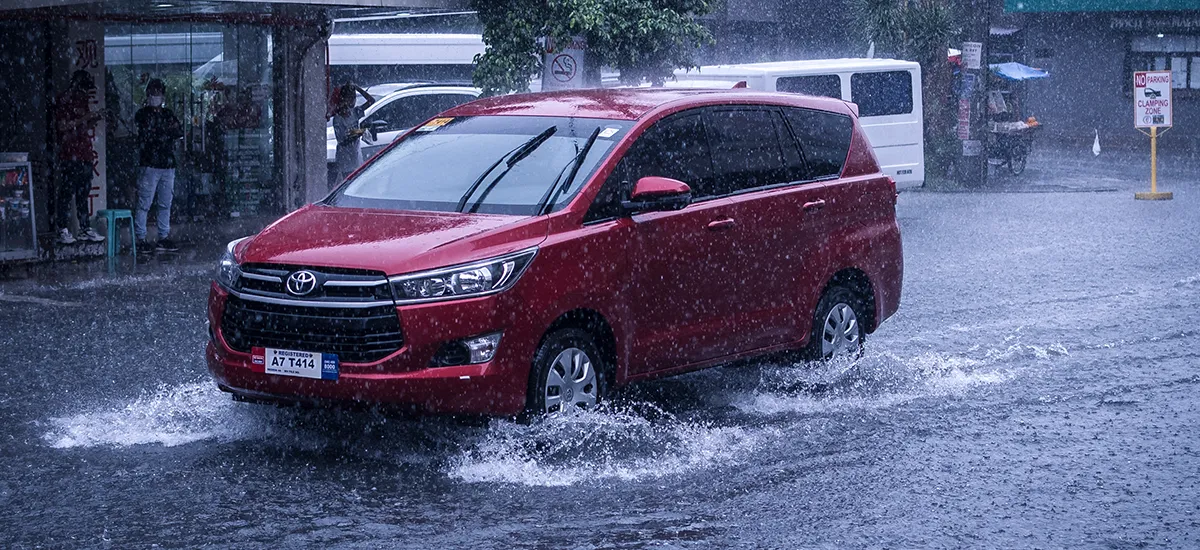
These situations are usually covered by insurance, as they’re considered unavoidable and an ‘Act of God’.
Scenario 6 – If your car is damaged while parked
If your car is damaged and the driver responsible doesn’t leave their details, then whether or not you can make a car accident insurance claim depends on your cover. Generally, only the most comprehensive cover protects you from these scenarios.
Approaching the insurer
If you choose to go ahead and make a claim, you need to act quickly. Most insurers will only accept claims made within 7 days of the accident. By this time, you should have in order all the documents to raise the claim, such as copies of your license, registration and insurance. In case any person was injured in the accident, you would also need to file a First Information Report with a nearby police station and submit a detailed letter addressed to the Road Transport Office.
India is the road accident capital of the world, with 11% of global deaths from accidents despite a share of just 1% of its vehicles. Given its high incidence, comprehensive car insurance can give you the peace of mind that no matter what arises, you will always have your wheels.


 Share Post