Table Of Content
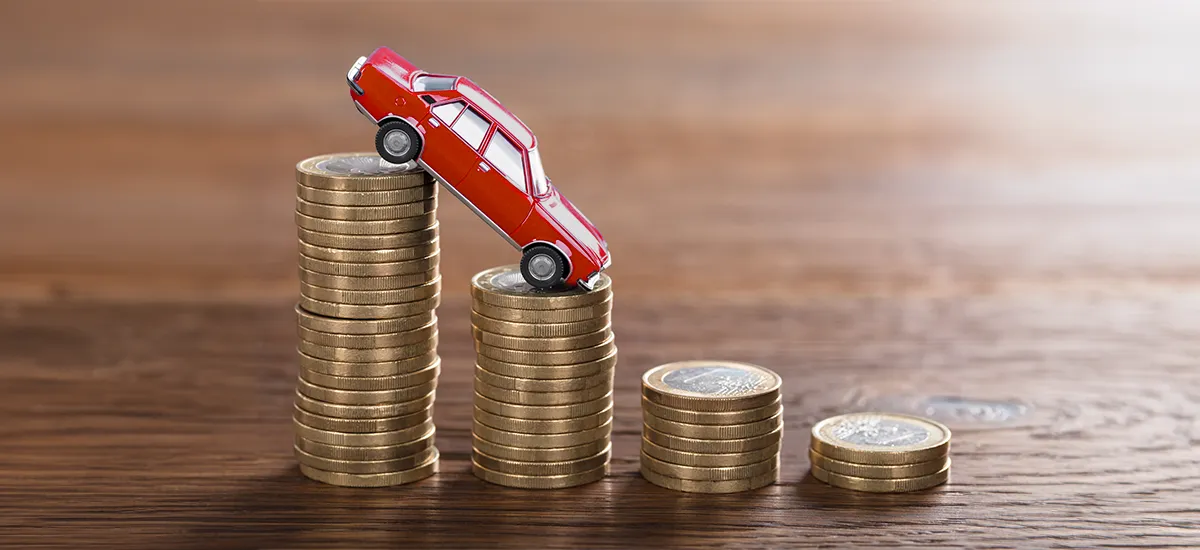
As your car ages, its market value drops, and that’s where IDV plays a key role. Setting the right IDV ensures adequate financial protection without overpaying on premiums. Let's delve deeper to learn how to calculate the right IDV for an old car, the factors that affect it and the best procedures for choosing ideal IDV when buying online car insurance.
What Is IDV in Car Insurance?
Insured Declared Value (IDV) is the maximum sum insured by an insurance provider for a vehicle in case of theft or total loss. It is based on the car’s current market value after considering depreciation. For example, if your car’s IDV is ₹6 lakh, this is the maximum amount you’ll receive if the vehicle is stolen or totally damaged.
How Does IDV Affects Your Car Insurance?
· Premium calculation: A higher IDV in insurance results in a higher premium, while a lower IDV reduces the premium.
· Resale value consideration: If you plan to sell the car soon, setting the correct IDV ensures better financial value.
· Claim settlement: If the IDV in Car insurance is too low, you might receive an insufficient payout in case of a total loss.
How to Calculate the Right IDV for an Old Car?
The IDV of a car is calculated based on its ex-showroom price minus the depreciation cost. The IDV calculator used by insurers follows standard depreciation rates set by the Insurance Regulatory and Development Authority of India (IRDAI):
Vehicle Age
|
Depreciation Rate
|
0 - 6 months
|
5%
|
6 months - 1 year
|
15%
|
1 - 2 years
|
20%
|
2 - 3 years
|
30%
|
3 - 4 years
|
40%
|
4 - 5 years
|
50%
|
More than 5 years
|
Mutual agreement with insurer
|
For cars older than 5 years, IDV in car insurance is determined through a negotiation between the insurer and policyholder based on the vehicle’s market condition, model, and availability of spare parts.
Example of IDV Calculation:
Let’s assume you purchased a car with an ex-showroom price of ₹10 lakh:
· After 3 years, depreciation is 40% → IDV = ₹6 lakh
· After 5 years, depreciation is 50% → IDV = ₹5 lakh
· After 6 years, the IDV is set based on a mutual agreement with the insurer.
Using an IDV calculator, you can compare different IDV values before finalising the best option for your car insurance renewal.
Factors to Consider While Selecting the Right IDV for an Old Car
Choosing the right IDV for an old car isn’t just about numbers. Keep these simple factors in mind before you decide:
1. The vehicle's market price
Research for the current market price of the car's brand and model. If your car is no longer in production, you can check the price of resale for similar vehicles.
2. Age and depreciation
If your car is more than 5 years old, the insurance companies cannot follow fixed depreciation rates, making negotiation necessary.
3. Comprehensive vs Third-Party Car Insurance
· Comprehensive Insurance: IDV calculation is required as it covers theft and total damage.
· Third-party car insurance: IDV is not considered because it only includes third-party car insurance.
4. Premium vs Claim amount
The option for a low IDV in car insurance reduces your insurance premium, but you can be underinsured in terms of total damage. In contrast, a high IDV increases the insurance premium unnecessarily.
5. Purpose of insurance renewal
If you are planning to sell the car soon, a low IDV can reduce renewal costs. If you intend to use your car for several years, it is beneficial to keep IDV close to the market value.
6. Car’s condition and maintenance
The overall upkeep of your vehicle plays a major role in deciding its IDV. Well-maintained cars with fewer dents, smooth engine performance, and regular servicing records can often justify a slightly higher IDV.


 Share Post