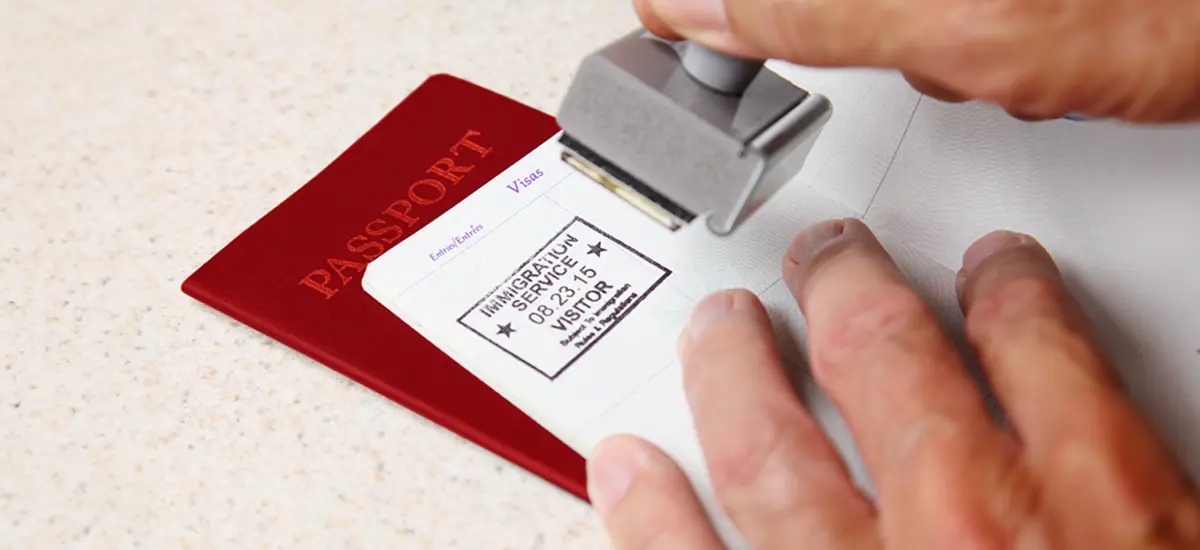
Before you embark on international travel, it's crucial to understand the difference between passports and visas. While both are necessary, they serve different roles. Passports confirm your identity and citizenship, while visas grant permission to enter specific countries. Let's dive into these details to help you navigate global travel confidently with travel insurance.
Understanding passports and visas: Key differences
Embarking on international travel involves more than just packing your bags; it requires navigating through a web of documents, including passports and visas. These two elements, often confused, serve distinct roles in facilitating global journeys. Let's delve deeper into the differences between passports and visas and understand their significance in international travel.
What is a passport?
A passport is not merely a booklet; it's your identity encapsulated in a travel-friendly format. It serves as an official document issued by your country of citizenship, verifying your nationality and personal details. Beyond being a means of identification, passports grant you the fundamental right to travel internationally and seek consular assistance when abroad.
What's needed for a passport?
To obtain a passport, applicants typically need to fill out an application form, submit supporting documents such as birth certificates or identification cards, and pay the requisite fee. The process may vary from country to country, but the underlying objective remains the same: to establish your identity and citizenship for international travel purposes.
What is a visa?
The full form of visa is Visitors International Stay Admission. While a passport grants you the privilege of crossing international borders, a visa provides permission to enter a specific country for a designated purpose and duration. Think of it as a personalised invitation from the destination country's government, outlining the terms of your visit.
The visa application process varies depending on the destination country's immigration policies. Applicants typically need to complete application forms, provide supporting documents such as travel itineraries and proof of accommodation, and sometimes undergo interviews at embassies or consulates. The visa application process demands attention to detail and compliance with specific requirements to ensure a smooth approval process.
Difference between passport and visa
One of the primary differences between passports and visas lies in their validity period. Passports often remain valid for several years, providing travellers with a consistent form of identification. In contrast, visas are issued for shorter durations, ranging from days to months, depending on the purpose of travel and the host country's regulations. Additionally, passports are universally recognised, whereas visas are specific to the country issuing them and the traveller's nationality.
Passport and visa difference: Cost and duration
When considering the costs associated with passports and visas, it's essential to factor in both the initial fees and any additional expenses. While obtaining a passport typically involves a one-time issuance or renewal fee, acquiring a visa may incur application fees and other associated costs. Moreover, visas can be single-entry or multiple-entry, allowing for one or multiple visits within a specified period. Understanding these distinctions can help travellers budget effectively for their international journeys.
International travel insurance: Added protection
In the realm of international travel, uncertainties can arise at any moment. That's where international travel insurance steps in, providing coverage for unexpected events such as medical emergencies, trip cancellations, or lost luggage. Purchasing international travel insurance online offers convenience and peace of mind, ensuring you're adequately protected throughout your journey.
Ensuring smooth travel: Additional considerations
Apart from passports, visas, and travel insurance, several other factors contribute to a seamless travel experience. These include:
· Travel vaccinations: Depending on your destination, certain vaccinations may be required or recommended for international travellers. It's essential to consult with a healthcare professional well in advance to ensure you're up-to-date on necessary immunizations.
· Currency exchange: Familiarise yourself with the currency of your destination country and consider exchanging currency before your trip or withdrawing cash from ATMs upon arrival. Be mindful of exchange rates and any associated fees.
· Cultural awareness: Respect the customs, traditions, and etiquette of the countries you visit. Familiarise yourself with local customs, language basics, and dress codes to avoid inadvertently causing offense.
Passports and visas serve as indispensable tools for navigating the complexities of international travel. Your passport acts as your identity on the global stage, while a visa grants you access to specific countries for designated purposes. Understanding the differences between passports and visas, along with the importance of international travel insurance and other considerations, is essential for ensuring a smooth and secure travel experience. So, as you prepare for your next adventure abroad, remember to have your passport, visa, travel insurance, and additional preparations in place for a worry-free journey.
To sum up, passports and visas are essential for international travel. Your passport proves who you are, while a visa allows entry into specific countries. Knowing these differences, along with considering factors like travel insurance, will ensure a smooth journey. So, as you plan your next trip, make sure you have the right documents and knowledge for hassle-free travel.