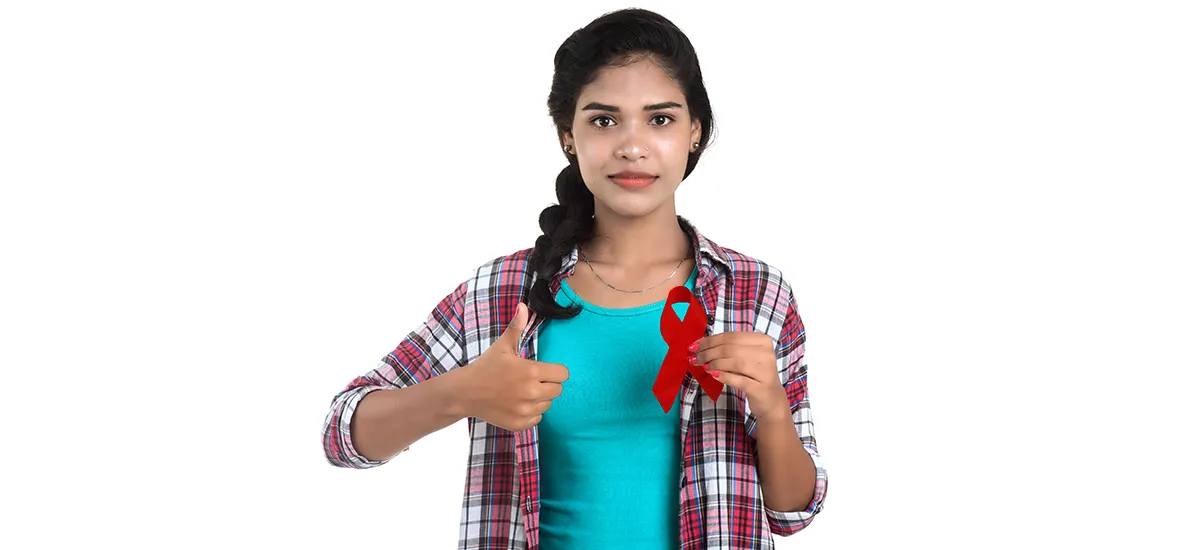
Are you giving your breast health the attention it deserves amid your busy schedule? Important, yes, but often overlooked amidst a busy schedule.
Simple breast care and cancer awareness can help you greatly in tackling every kind of medical problem in the long run. In fact, understanding what's normal and what might need a closer look can help you identify breast cancer symptoms early.
But how to check for breast cancer at home? Well, simple steps and regular self-exams can be your first line of defense.
So, let us empower ourselves with the information on breast cancer symptoms and prevention.
Breast cancer and its types
As per WHO, over 2.3 million women were diagnosed with breast cancer in 2022.
In breast cancer, cells in the breast grow uncontrollably, usually forming a tumor that can be seen on an x-ray or felt as a lump. Now, not all lumps are cancerous.
The common types of breast cancer include -
· Invasive cancer - This has spread from the original ducts or lobules into nearby breast tissue, with the potential to spread to other body parts.
· Non-invasive cancer or in situ cancer - This does not spread past the duct or lobule where it started and does not impact the surrounding breast tissue.
Stages of breast cancer
The 5 breast cancer stages that you should be aware of are as follows,
Stage 0 - Cancer cells are present but confined within the breast ducts, not spreading to any other part of the breast.
Stage I - Cancer has moved beyond the ducts into the nearby breast tissue. It is still small, say upto 2cm, and localized.
Stage II - The cancer has formed a tumor, which is either,
· Under 2 cm with lymph node involvement or 2-5 cm without it.
· Over 5 cm without lymph nodes or 2-5 cm with them.
Stage III - It is also known as locally advanced breast cancer. The tumor has spread more extensively to nearby tissue and lymph nodes but not to distant body parts. It can be,
· Tumor over 5 cm with lymph nodes or any size with clumped nodes.
· Any size tumor spread to the skin or chest wall.
· Any size tumor with extensive lymph node spread.
Stage IV - The cancer has spread outside the breast and nearby lymph nodes to distant parts of the body, such as the bones, liver, lungs, or brain.
The risk factors for breast cancer increase as the stage goes up. Early detection of breast cancer symptoms can help in timely treatment as well.
Common breast cancer symptoms
The common breast cancer symptoms are,
· A persistent lump or thickening in or around your breast or underarm area, not disappearing after your menstrual cycle.
· No matter how small, a noticeable lump resembles a pea's size.
· Changes in the size, shape, or contour of your breast.
· Nipple discharge that may appear bloody or clear.
· Changes to the look or feel of your breast or nipple skin.
· Swelling, inflammation, dimpled, or scaly skin around the breast.
· Redness around the breast region.
· Changes in size or position of the nipple.
· Any area on your breasts that feels distinctly different from the rest.
· A firm, marble-like area under the skin.
You can identify breast cancer symptoms early by staying vigilant and going for regular checkups.
Know the top prevention strategies
If you are also wondering how to prevent breast cancer, here are a few strategies for you,
· Maintain a healthy weight - Understand your body and the right weight for yourself. You can connect with a healthcare expert for this. It will help you stay active and happy while reducing the risk of breast cancer.
· Opt for a nutritious diet - Include a variety of vegetables, fruits, calcium sources, and lean protein in your meals. Reducing your intake of red and processed meats is beneficial for overall health.
· Incorporate regular exercise - Physical activity can boost your mood and reduce the risk of breast cancer. You can make any activity like—walking, dancing, or yoga—a part of your routine.
· Undergo regular screenings - Early detection through mammograms is most important to detect breast cancer symptoms. Here's a brief screening guide based on age,
· Before 40 - As and when required.
· Ages 40-44 - Consider starting annual mammograms if your doctor recommends.
· Ages 45-54 - Annual mammograms are advised.
· Ages 55-74 - Transition to mandatory mammograms every 1 or 2 years.
· Ages 75 and older - Discuss with your healthcare provider whether to continue screening.
· Perform regular self-exams - Familiarizing yourself with your breasts through regular self-exams can alert you to any changes, potentially catching issues early.
These measures are not just about breast cancer prevention; they also represent a commitment to nurturing your health and well-being.
Survival rates and treatment options
Breast cancer survival rate is based on the stage of cancer diagnosis greatly. In other terms, the earlier the breast cancer symptoms are detected, the better the prognosis.
The treatment options also vary based on the stage and cancer type. General treatment options include,
· Surgery like lumpectomy, mastectomy, or sentinel lymph node biopsy.
· Radiation therapy
· Chemotherapy
· Hormone therapy
· Targeted therapy
· Immunotherapy
Each of these treatments is customized based on factors like breast cancer symptoms, type, stages, etc.
The key takeaway
Understanding breast cancer symptoms and going for regular screenings can reduce the risks. Also, breast cancer prevention is incomplete without making healthy life choices, so adopt them today. These simple steps and early detection can improve breast cancer survival rates significantly.
Additionally, you can enhance your well-being with Generali Central's HEALTH POWHER health insurance. It is designed for women's unique needs and seamlessly empowers your health. Get ready to confidently face your health journey with the right care and coverage.