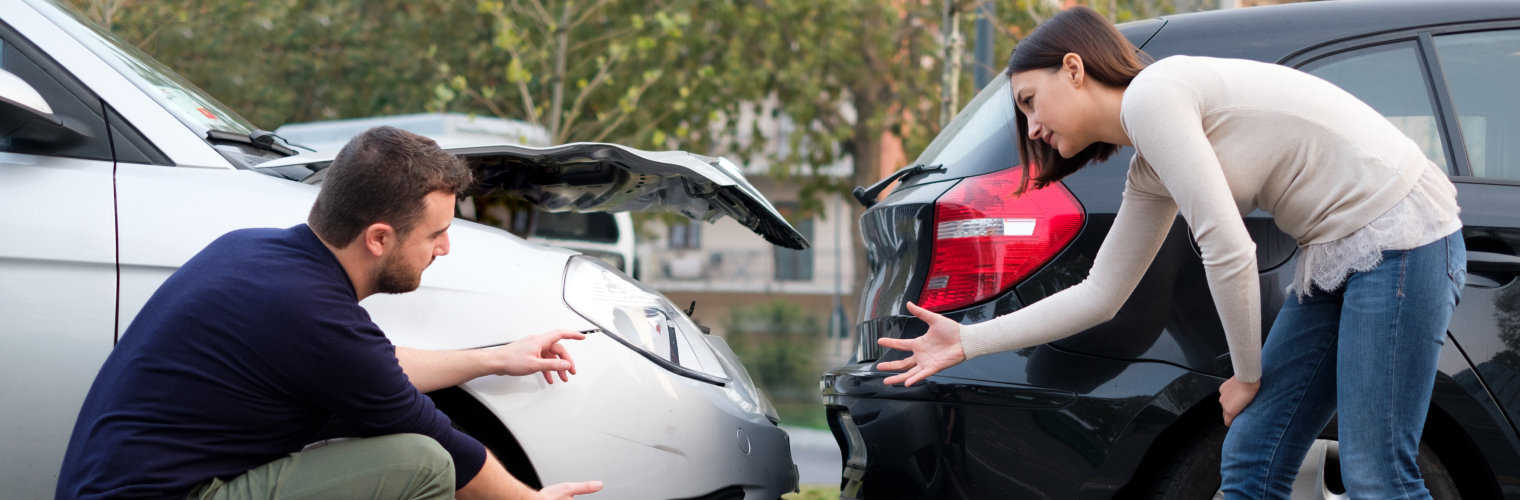
Road accidents occur unexpectedly. Even when drivers follow traffic rules, another vehicle can suddenly cause a collision. Without proper evidence, proving innocence becomes difficult. Modern technology now plays a key role in protecting responsible motorists. Recent road safety reports highlight a major issue: many accident disputes turn into lengthy battles due to conflicting testimonies. When different versions of events arise, insurance claims face delays, and innocent parties often bear the consequences.
This comprehensive guide explores how dashcams serve as your silent witness on Indian roads. You'll discover practical ways these devices protect your interests, strengthen insurance claims, and provide peace of mind during unexpected incidents. We'll examine real-world scenarios, legal advantages, and smart investment strategies for choosing the right dashcam for your vehicle.
Understanding Dashcam Technology and Its Growing Importance
Dashboard cameras have evolved from luxury gadgets to essential safety equipment for Indian drivers. These compact devices continuously record your journey, capturing crucial moments that might otherwise go undocumented.
Modern dashcams offer features that go beyond simple recording, such as:
· Continuous loop recording to ensure uninterrupted coverage.
· GPS tracking to record exact locations and speed data.
· High-definition video quality that captures number plates and signs.
· Night vision for safer driving after dark.
· Dual-channel recording (front and rear) for comprehensive coverage.
· Motion detection and parking mode for protection when the vehicle is parked.
The recorded footage includes timestamps, GPS coordinates, and speed data—creating comprehensive accident records. These details prove invaluable when dealing with insurance claims or legal proceedings.
Video Evidence: Your Strongest Defence in Accident Claims
When accidents occur, emotions run high, and memories become unreliable. Witnesses might disappear or provide conflicting accounts, leaving you vulnerable to false claims. Dashcam footage eliminates uncertainty by offering clear, unbiased documentation of the event.
Key benefits of dashcam footage include:
· Establishes accurate timelines of incidents.
· Supports faster car insurance claim processing.
· Helps identify vehicles in hit-and-run cases.
· Exposes staged or fraudulent accidents.
· Encourages safer behaviour from nearby drivers.
This preventive effect not only reduces aggressive driving and road rage incidents but also creates safer driving environments for everyone.
Legal Standing of Dashcam Footage
Indian courts accept electronic evidence under specific conditions outlined in the Evidence Act. Dashcam recordings qualify as admissible evidence when properly authenticated and presented. This legal recognition strengthens your position during disputes and ensures video evidence carries weight in formal proceedings.
Police investigations benefit significantly from dashcam footage. Officers can accurately reconstruct accident sequences, determine fault patterns, and identify traffic violations that lead to crashes. This objective evidence reduces investigation time and helps deliver justice more efficiently. Privacy concerns occasionally arise regarding the continuous recording of activities in public spaces. However, Indian law permits recording in public areas where there is no reasonable expectation of privacy. Roads and highways fall under public spaces, making dashcam usage completely legal for personal protection and the collection of evidence.
Protecting Yourself Against Insurance Fraud
Insurance fraud costs honest policyholders through increased premiums and delayed settlements. Deliberate accidents, exaggerated injury claims, and false witness statements plague the insurance industry. Your dashcam serves as a powerful deterrent against such fraudulent activities. Staged accidents follow predictable patterns that dashcams easily expose. Fraudsters might brake suddenly without reason, hoping you'll rear-end them. They might claim injuries that didn't exist or blame you for violations you didn't commit. Video evidence reveals these deceptions, protecting you from financial exploitation.
Third-party insurance claims become particularly complex without proper documentation. When another vehicle causes damage, proving their fault becomes crucial for compensation. Dashcam footage provides indisputable evidence of the other party's negligence, strengthening your claim significantly. Your car insurance company processes such claims more efficiently with video support.
Common Fraud Tactics Exposed by Dashcams
Dashcams effectively uncover fraudulent practices such as:
· Swoop and squat schemes: These involve multiple vehicles working together to trap innocent drivers. One vehicle cuts in front while another blocks escape routes, forcing inevitable collisions. Dashcam recordings capture these coordinated movements, revealing fraudulent intent.
· Phantom passenger claims: Non-existent victims are added to accident reports, inflating compensation demands. Video evidence clearly shows vehicle occupancy at the time of impact, thereby preventing such false claims.
· Pre-existing damage claims: Fraudsters attribute old damage to new accidents. Dashcams document the vehicle's condition before incidents, protecting against such accusations.
Streamlining the Claims Process
Traditionally, car insurance claims involve tedious documentation and lengthy reviews. Dashcams simplify this by providing instant, credible evidence that supports your case.
To streamline your claim process:
· Inform your insurer immediately about the availability of dashcam footage.
· Share unedited video files and keep original copies intact.
· Back up your footage on multiple devices to avoid data loss.
· Note timestamps and event details for easy reference.
Insurance representatives often fast-track claims supported by credible dashcam evidence, helping you achieve quicker settlements.
Documentation Best Practices
Proper organisation of dashcam footage ensures you’re always prepared in case of disputes. Follow these best practices:
· Label files by date, time, and location.
· Keep a written log noting weather, lighting, and road conditions.
· Extract still images that highlight crucial evidence (e.g., traffic lights, points of impact).
· Create concise summaries for each video clip to facilitate easy review.
A structured, professional presentation of evidence demonstrates your credibility and helps insurance providers process your claim efficiently.
Final Thoughts
Road safety involves multiple factors beyond careful driving. Despite your best efforts, accidents caused by others' negligence can significantly disrupt your life. Dashcams provide essential protection against such uncertainties, offering peace of mind through reliable evidence collection and helping you strengthen your car insurance claims in the event of an accident.
In today’s unpredictable traffic conditions, having both comprehensive insurance coverage and a reliable dashcam ensures that you’re fully protected—financially and legally. When paired together, these tools create a powerful safety net that safeguards you from false claims, prolonged disputes, and unexpected expenses. At Generali Central Insurance, we recognise the importance of evidence-based protection for every driver. Our car insurance solutions are designed to work seamlessly with dashcam technology, ensuring smoother claim settlements, quicker resolutions, and fair compensation.
FAQs
1. Can dashcam footage reduce my car insurance premiums?
Some insurers offer discounts for vehicles equipped with dashcams. Check with your provider about available discounts and specific requirements.
2. How long should I keep dashcam recordings?
Save accident-related footage indefinitely. For regular recordings, one month's retention typically suffices unless specific incidents require longer preservation.
3. Do dashcams work during power cuts or parking?
Dashcams with parking mode and backup batteries continue recording briefly after power loss, capturing hit-and-run incidents while parked.
4. Can police seize my dashcam without permission?
Police require proper legal procedures to seize property. You can voluntarily provide footage copies while retaining originals and devices.
5. Will extreme heat damage my dashcam?
Quality dashcams rated for Indian conditions withstand high temperatures. Choose capacitor-based models over battery-powered devices for better heat resistance.